Cloudflare service interruption
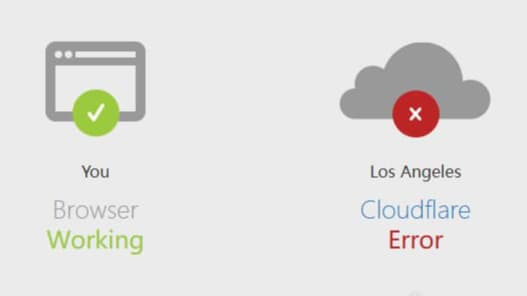
Because of issues with Cloudflare services, most websites that rely on Cloudflare are inaccessible.
For example, I encountered a 500 error on a forum website I frequently visit, clearly indicating a Cloudflare error.
At this point, I knew there was another major problem with the internet; many companies’ IT staff were losing sleep, worrying about the lost transaction amounts every minute.
There’s another website, Reddit. I’m unsure if it’s network security blocking my access or if it’s due to Cloudflare.
It kept telling me my account was banned and blocked, asking me to submit a support ticket or log in with a different account.
The next day I could log in normally without doing anything. I don’t know if it automatically lifted the block or if Cloudflare caused the other message.
I suspect it’s a default message when there’s a network failure, but I have no proof.

home server
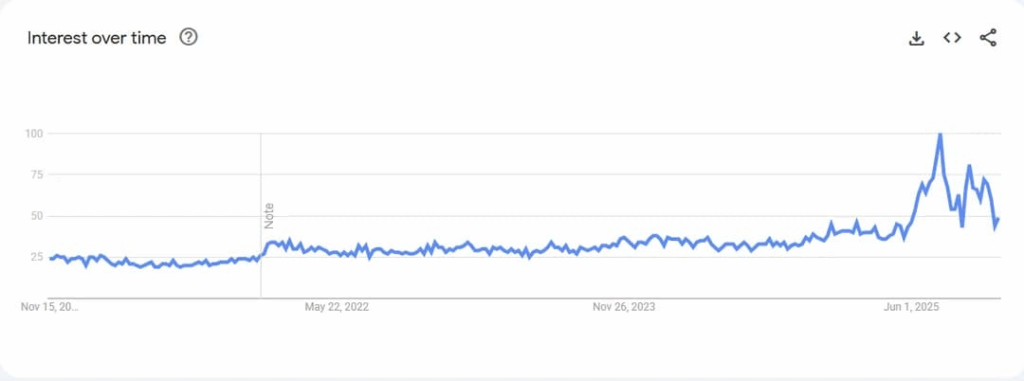
I saw someone on Reddit mention that the keyword “home server” suddenly spiked in search rankings.
Some commenters suggested that Clodflare’s release is related to previous major internet outages.
Cloud services are relatively convenient, but they also have many dependency issues. If your balance stops, the service is lost, and your data is lost. Add to that service errors from companies like Cloudflare, and you have no recourse but to wait.
The resulting transaction losses are incalculable and unrecoverable, leading to a gradual decline in trust in cloud service providers. From the perspective of service costs and data backup, home servers are an inevitable trend.
What I want to say is that people who enjoy tinkering will use HomeLab, while those who don’t like tinkering but still have needs will use NAS. A company or individual considering cost and data backup will consider home servers. Servers and cloud services remain essential.
However, backup options must also be considered.
Just as people who have experienced natural disasters like fires, snowstorms, floods, earthquakes, and tornadoes develop the habit of storing medical kits and spare food,
the more disasters we experience, the more we need to prepare sufficient supplies to cope with potential crises, even global catastrophes.
For example, war or the end of the world. The same applies to the internet. If some countries suddenly lose internet access, your cloud service becomes useless, but you can still store data such as applications, ebooks, movies, local games, and apps locally.
Document organization
I bought multiple Raspberry Pi 3Bs, multiple Raspberry Pi 4Bs, and multiple Raspberry Pi 5s.
I also bought multiple Orange Pi 3Bs, Orange Pi 5 Plus, and Orange Pi 5 Pro.
I bought multiple R2Ss and R5Cs.
I bought dozens of ESP32s, multiple ESP32S3s, and multiple ESP32C3s.
I deployed PVE virtual machines, deployed numerous Docker services, and developed numerous codebases, but I haven’t had time to properly manage my equipment.
I’ve sold many Raspberry Pis and many Orange Pis. I only have the remaining ESP32s and a few Orange Pi 3Bs that I’m reluctant to sell, because I need to keep them to set up basic HomeLab and server services.
This includes, but is not limited to, my WordPress, my documents, and mind maps.
Because I bought countless cloud servers, migrated countless times, paid and renewed countless times, encountered countless memory and disk shortages, faced problems with the cloud service providers, and experienced the high costs compared to local storage, I finally decided to… With cloud services deployed locally and proper backups, I’ll never lose data again, at least not due to cloud servers. I can freely allocate my CPU, memory, and disk space, and I can migrate and upgrade at any time.
While I still rely heavily on cloud services, the costs have been significantly reduced, and the services are generally problem-free. I can try the open-source services I want without worrying about cloud security issues like malware scanning or DDoS attacks. I can test local AI at low cost and proxy my local connection to the public internet.
Just like I don’t trust cheap and reliable security cameras—manufacturers always leave backdoors, compromising your privacy. When you’re harmed, they can delete archives in the cloud and even delete your local data online, leaving you without evidence. I still need them, but in places like my bedroom, I trust my Raspberry Pi and other open-source monitoring systems more. I can 3D print my own boxes, decide the archiving time and whether it’s online, and store data for a year or several years without paying for online archiving.
